Understanding Different Types of Loans
Explore various loan types, their purposes, and how they can impact your financial health in our comprehensive guide on understanding different types of loans.
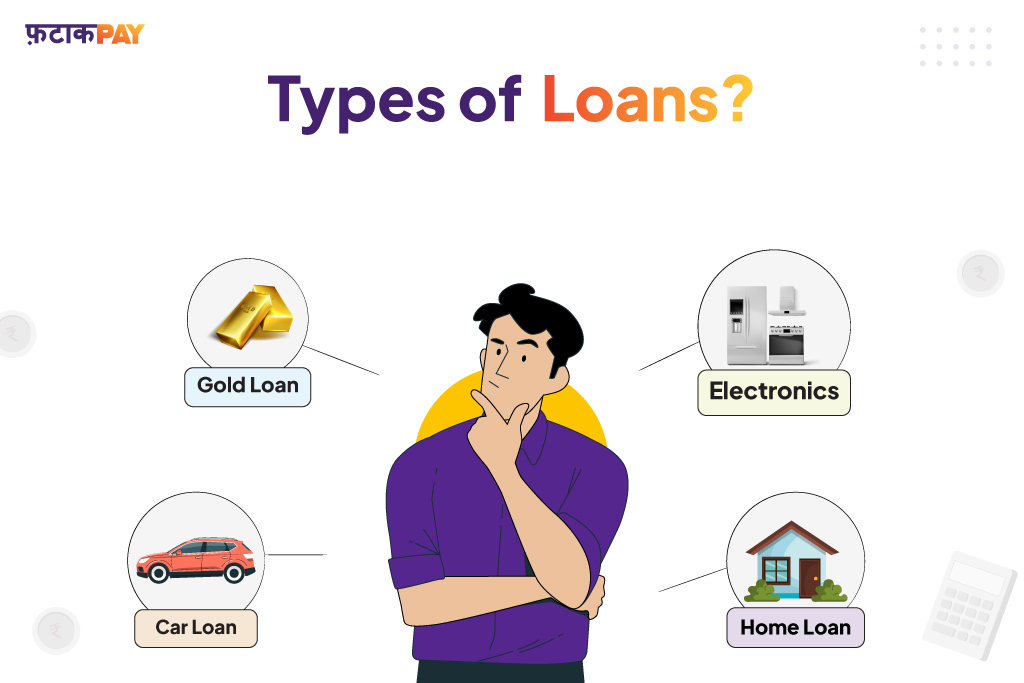
Introduction to Loans
Loans are a financial tool that can help individuals and businesses achieve their goals, whether it's buying a home, starting a business, or covering unexpected expenses. Understanding the different types of loans available can help you make informed decisions and choose the best option for your needs. In this article, we'll explore various types of loans, their purposes, and key characteristics to help you navigate the complex world of borrowing.
Personal Loans
Personal loans are a versatile form of credit that can be used for a variety of purposes, such as consolidating debt, financing a major purchase, or covering emergency expenses. These loans are typically unsecured, meaning they don't require collateral. Instead, lenders rely on your credit score and income to determine your eligibility and interest rate. Personal loans often have fixed interest rates and repayment terms, making them predictable and easier to manage. However, they may come with higher interest rates compared to secured loans, especially if you have a lower credit score.
Mortgage Loans
Mortgage loans are designed specifically for purchasing real estate, such as a home or commercial property. These loans are typically secured by the property itself, which serves as collateral. Mortgage loans often have lower interest rates compared to unsecured loans due to the reduced risk for lenders. They come in various forms, including fixed-rate mortgages, adjustable-rate mortgages (ARMs), and interest-only mortgages. Each type has its own set of advantages and drawbacks, so it's essential to understand the terms and choose the one that best fits your financial situation and long-term goals.
Auto Loans
Auto loans are used to finance the purchase of a vehicle, whether it's a car, truck, or motorcycle. These loans are typically secured by the vehicle itself, which means the lender can repossess the vehicle if you default on the loan. Auto loans can be obtained from banks, credit unions, or directly from dealerships. Interest rates and terms can vary widely based on your credit score, the length of the loan, and the type of vehicle you're purchasing. It's crucial to shop around and compare offers to ensure you're getting the best deal possible.
Student Loans
Student loans are specifically designed to help cover the cost of higher education, including tuition, fees, books, and living expenses. These loans can be either federal or private. Federal student loans often offer more favorable terms, such as lower interest rates and flexible repayment options, including income-driven repayment plans. Private student loans, on the other hand, are offered by banks and other financial institutions and may require a co-signer if you have limited credit history. Understanding the differences between federal and private student loans can help you make the best choice for your educational needs.
Business Loans
Business loans provide funding for various business purposes, such as starting a new venture, expanding operations, or covering short-term cash flow needs. These loans can be secured or unsecured, with secured loans requiring collateral like equipment or real estate. Business loans come in several forms, including term loans, lines of credit, and invoice financing. Each type has its own set of requirements and benefits, so it's essential to assess your business's financial health and needs before applying. Proper planning and a solid business plan can increase your chances of securing the funding you need.