Top 10 Tips for a Stunning Garden Makeover
Transform your outdoor space with our top 10 tips for a stunning garden makeover. From planning to plant selection, create a garden you'll love.
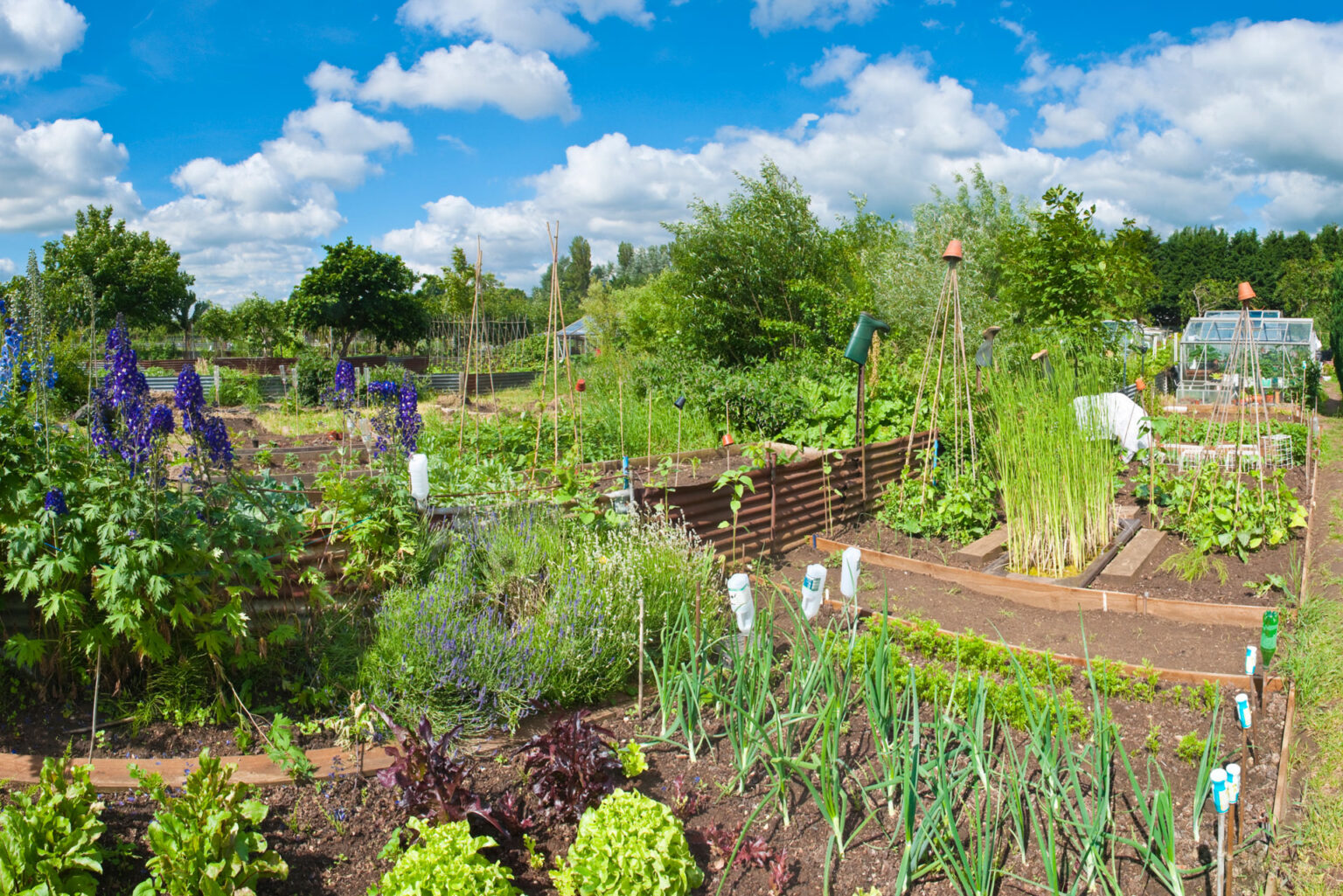
1. Plan Your Layout Carefully
Before diving into the physical work, take the time to plan your garden layout meticulously. Consider the different sections you want, such as flower beds, vegetable patches, or a relaxation area. Sketch out your ideas on paper or use garden design software to visualize the final look. Think about the sunlight patterns throughout the day and how they will affect plant growth. Ensure pathways are wide enough for easy navigation and think about incorporating focal points like a water feature or a statue to add interest. Proper planning will save you time and effort later on and help you achieve a cohesive and stunning garden makeover.
2. Choose the Right Plants
Selecting the right plants is crucial for a successful garden makeover. Research which plants are best suited to your climate and soil type. Native plants are often a good choice as they are adapted to local conditions and require less maintenance. Consider the color scheme and blooming periods to ensure year-round interest. Mix perennials with annuals to create layers of texture and color. Don't forget about evergreens to provide structure and greenery even in the colder months. By choosing the right plants, you'll create a vibrant and thriving garden.
3. Improve Soil Quality
Healthy soil is the foundation of any beautiful garden. Conduct a soil test to determine its pH and nutrient levels. Based on the results, amend the soil with organic matter such as compost, manure, or leaf mold to improve its structure and fertility. Mulching is another effective way to enhance soil quality; it helps retain moisture, suppress weeds, and add nutrients as it decomposes. Regularly aerate the soil to prevent compaction and allow roots to breathe. By investing time in improving your soil, you'll ensure your plants have the best possible start.
4. Incorporate Hardscaping Elements
Hardscaping elements like paths, patios, and walls can significantly enhance the overall look of your garden. Consider using natural materials such as stone, wood, or gravel to create a harmonious and organic feel. Paths can guide visitors through the garden, while patios provide a space for relaxation and entertainment. Raised beds or retaining walls can add structure and dimension to your garden, making it more visually interesting. When planning hardscaping elements, ensure they complement the style of your home and the overall garden design.
5. Focus on Watering Efficiency
Efficient watering is essential for a thriving garden, especially during dry spells. Install an automatic irrigation system to ensure consistent and even watering. Drip irrigation systems are particularly effective as they deliver water directly to the plant roots, reducing evaporation and water waste. Collect rainwater in barrels and use it to water your garden during dry periods. Group plants with similar water needs together to make watering more efficient. Mulching can also help retain moisture in the soil, reducing the frequency of watering needed.
6. Add Personal Touches
Finally, don't forget to add personal touches that reflect your style and personality. Incorporate garden art, such as sculptures, wind chimes, or decorative planters, to create focal points and add interest. Furniture and lighting can transform your garden into an outdoor living space, perfect for entertaining or relaxing. Consider adding a bird feeder or a small pond to attract wildlife and create a tranquil atmosphere. By adding these personal touches, you'll make your garden a unique and inviting space that you can enjoy for years to come.