The Ultimate Guide to Sustainable Gardening
Discover eco-friendly practices to create a thriving, sustainable garden that benefits both you and the environment.
Understanding Sustainable Gardening
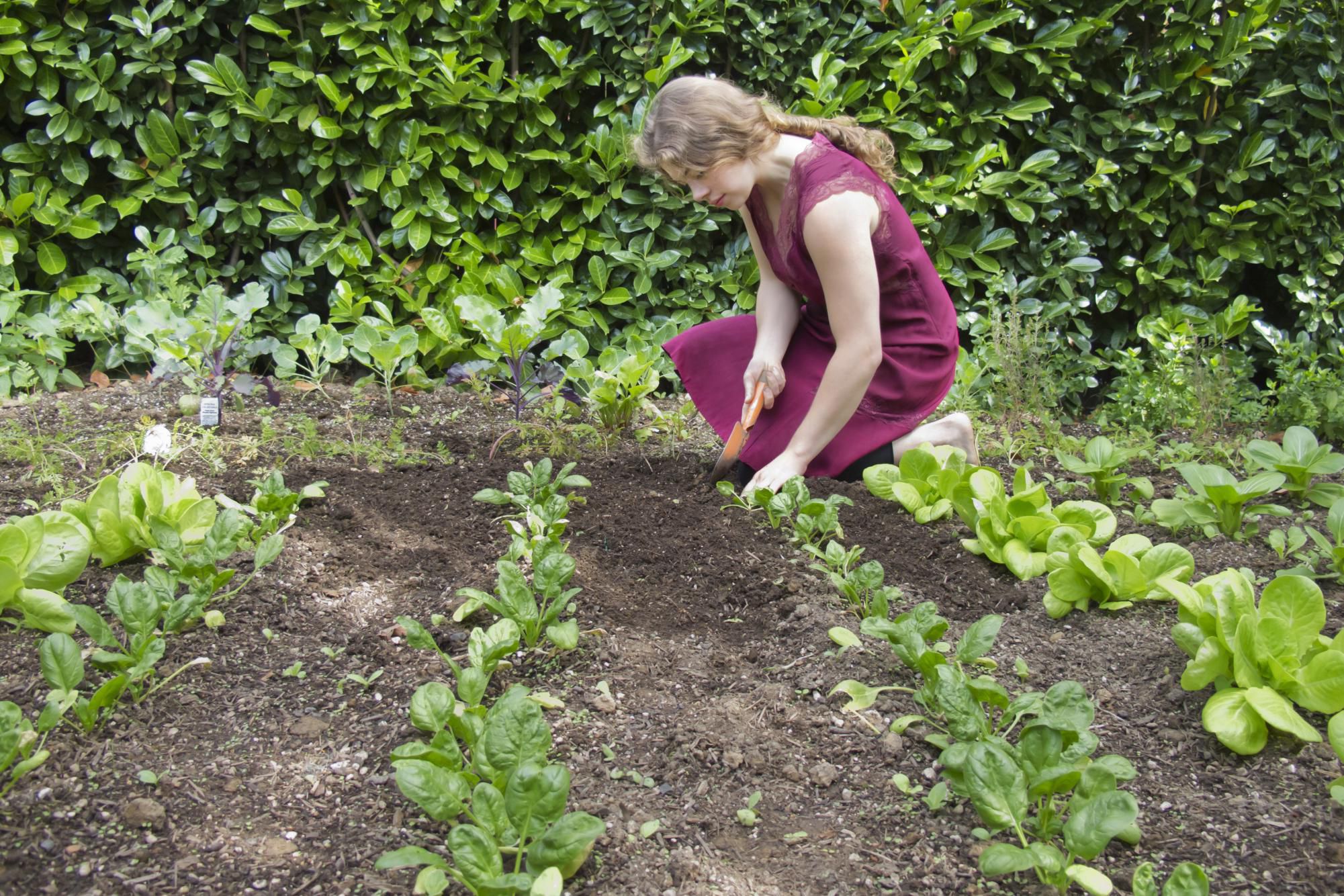
Sustainable gardening is a holistic approach that emphasizes environmental responsibility and resource conservation. At its core, it aims to create a harmonious balance between the garden and its surrounding ecosystem. This method focuses on reducing waste, conserving water, and promoting biodiversity. By adopting sustainable practices, gardeners can minimize their environmental impact and contribute to a healthier planet. One of the key principles is using organic materials and avoiding synthetic chemicals, which can harm beneficial insects and soil health. By focusing on natural pest control methods, such as introducing beneficial insects like ladybugs or planting companion plants, gardeners can maintain a thriving garden without resorting to harmful pesticides.
Soil Health and Composting
Healthy soil is the foundation of a sustainable garden. It's crucial to understand the importance of soil health and how to maintain it. Incorporating organic matter like compost can significantly improve soil structure, fertility, and water retention. Composting is a simple yet effective way to recycle kitchen scraps and yard waste into nutrient-rich soil amendments. By returning these nutrients to the earth, gardeners can enhance soil health while reducing landfill waste. Additionally, practicing crop rotation and planting cover crops can prevent soil depletion and maintain its vitality. These practices help in maintaining a balanced ecosystem, ensuring that your garden remains productive and sustainable over the long term.
Water Conservation Techniques
Water is a precious resource, and conserving it is a key aspect of sustainable gardening. Implementing water conservation techniques can help gardeners reduce their water usage while still maintaining a lush and productive garden. One effective method is using drip irrigation systems, which deliver water directly to the plant roots, minimizing evaporation and runoff. Additionally, collecting rainwater in barrels can provide a free and sustainable water source for your garden. Mulching is another valuable technique, as it helps retain soil moisture, suppress weeds, and regulate soil temperature. By choosing drought-tolerant plants and grouping plants with similar water needs, gardeners can further optimize water usage and create a resilient garden.
Encouraging Biodiversity
Biodiversity is crucial for a healthy and sustainable garden ecosystem. By encouraging a variety of plant and animal species, gardeners can promote a balanced and self-sustaining environment. Planting a diverse range of native plants can attract beneficial insects, birds, and other wildlife, which play essential roles in pollination and pest control. Creating habitats like birdhouses, insect hotels, and small water features can further support biodiversity. Avoiding monocultures and instead opting for a mix of flowers, vegetables, and herbs can prevent the spread of diseases and pests. This diversity not only enhances the beauty of the garden but also ensures its long-term health and resilience.
Natural Pest Management
One of the challenges in gardening is managing pests without resorting to harmful chemicals. Sustainable gardening emphasizes natural pest management strategies that protect the ecosystem. Introducing beneficial insects, such as ladybugs and predatory wasps, can help control pest populations naturally. Companion planting is another effective technique, where certain plants are grown together to repel pests or attract beneficial insects. For example, marigolds can deter nematodes, while basil can repel flies and mosquitoes. Physical barriers, like row covers and netting, can also protect plants from pests without harming the environment. By embracing these natural methods, gardeners can maintain a healthy garden while preserving ecological balance.
Sustainable Garden Design
Designing a sustainable garden involves thoughtful planning and consideration of environmental impacts. A well-designed garden maximizes space, resources, and energy efficiency. Implementing permaculture principles can guide gardeners in creating a sustainable layout. This includes zoning plants based on their needs and functions, such as placing high-maintenance plants closer to the home for easy access. Incorporating vertical gardening techniques can optimize limited space, while also providing habitats for various species. Choosing materials that are locally sourced and environmentally friendly for garden structures, such as recycled wood or stone, can further enhance sustainability. By integrating these design principles, gardeners can create an aesthetically pleasing and eco-friendly garden.
The Benefits of Sustainable Gardening
The benefits of sustainable gardening extend beyond the garden itself. Practicing sustainability not only supports the environment but also contributes to personal well-being. Gardening sustainably fosters a deeper connection with nature and promotes a sense of accomplishment and mindfulness. It encourages a healthier lifestyle by providing access to fresh, organic produce and reducing reliance on store-bought goods. Sustainable gardening can also strengthen communities by inspiring others to adopt eco-friendly practices. By sharing knowledge and resources, gardeners can collectively work towards a more sustainable future. Ultimately, sustainable gardening is a rewarding endeavor that benefits individuals, communities, and the planet as a whole.