The Impact of Nutrition on Mental Well-being
Exploring how balanced nutrition influences mental health, enhancing mood, cognitive function, and emotional resilience.
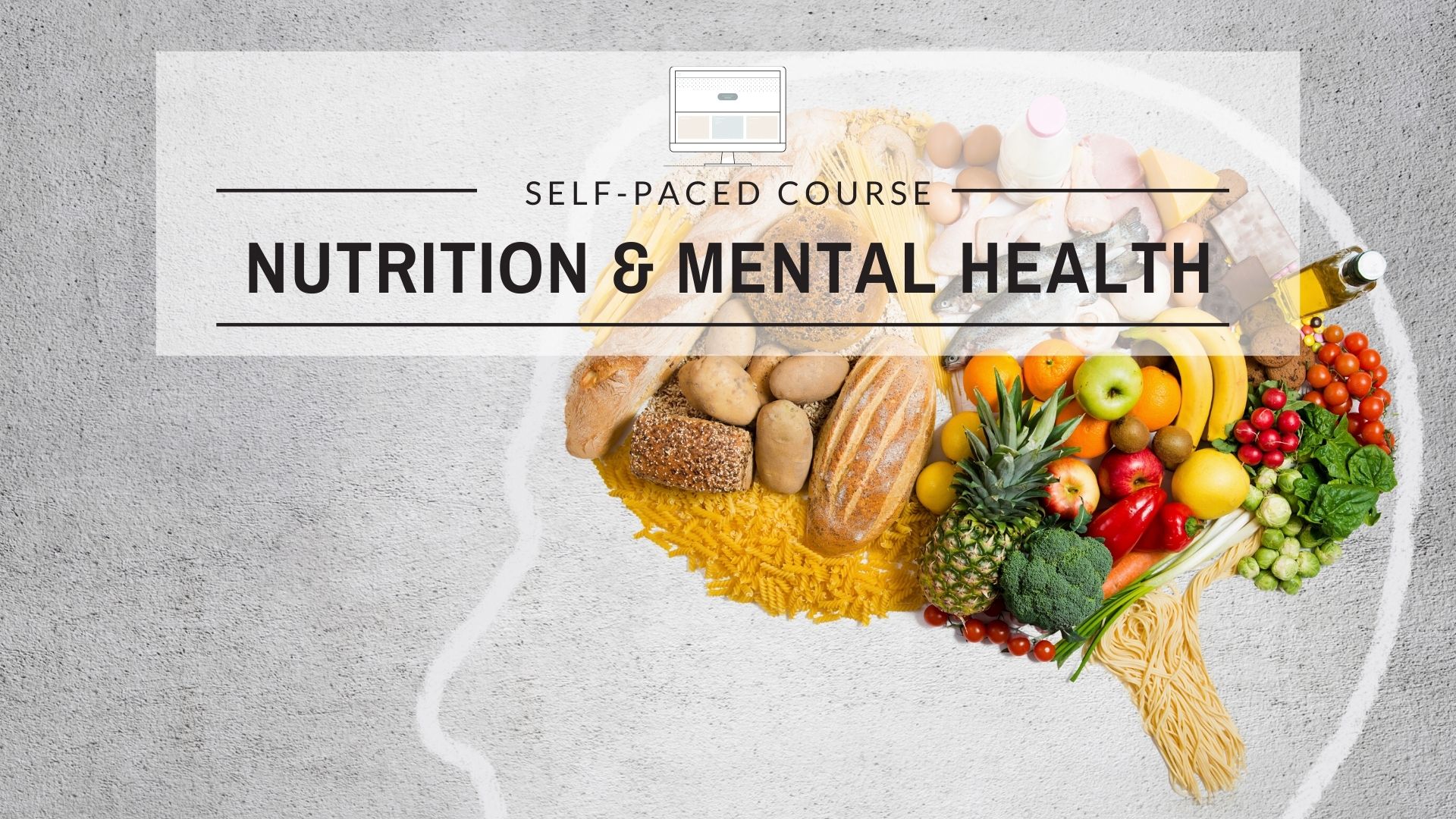
The Connection Between Nutrition and Mental Health
In recent years, the connection between nutrition and mental health has gained increasing attention from researchers and health professionals. Our diet is not only fundamental to our physical health but also plays a crucial role in our psychological well-being. Studies have shown that the consumption of nutrient-rich foods can lead to improved mood and cognitive function, while poor dietary choices may contribute to mental health disorders such as depression and anxiety. The brain requires a variety of nutrients to function optimally, including omega-3 fatty acids, vitamins, minerals, and antioxidants. These nutrients help maintain the structure and function of brain cells, influencing neurotransmitter pathways and synaptic plasticity. Understanding this connection is essential for developing holistic approaches to mental health care that include dietary interventions alongside traditional therapies.
Nutrient-Rich Foods for Mental Well-being
Incorporating nutrient-rich foods into your diet can significantly impact your mental well-being. Foods rich in omega-3 fatty acids, such as fatty fish, flaxseeds, and walnuts, have been shown to reduce symptoms of depression and anxiety. Leafy greens like spinach and kale are high in folate, a B-vitamin that plays a crucial role in brain function and the production of neurotransmitters like serotonin and dopamine. Additionally, foods high in antioxidants, such as berries, nuts, and dark chocolate, help protect the brain from oxidative stress, which can contribute to cognitive decline and mood disorders. By prioritizing these foods, individuals can support their mental health and potentially reduce the risk of developing mental health issues.
The Role of Gut Health in Mental Well-being
The concept of the gut-brain axis highlights the significant impact that gut health has on mental well-being. The gut is often referred to as the "secondbrain" because it contains a vast network of neurons and produces neurotransmitters similar to those found in the brain. A healthy gut microbiome, consisting of beneficial bacteria, is essential for maintaining mental health. Probiotics and prebiotics found in foods like yogurt, kefir, sauerkraut, and bananas can promote a balanced gut microbiome, leading to improved mood and cognitive function. Conversely, an imbalance in gut bacteria has been linked to increased anxiety, depression, and even neurodevelopmental disorders. Maintaining gut health through a balanced diet can, therefore, play a pivotal role in supporting mental well-being.
Sugar, Processed Foods, and Mental Health
While certain foods can promote mental well-being, others may have the opposite effect. High consumption of sugar and processed foods has been associated with an increased risk of developing mental health disorders. These foods can lead to spikes and crashes in blood sugar levels, which can affect mood and energy levels. Additionally, processed foods often lack essential nutrients that are necessary for brain health. Diets high in sugar and processed foods have been linked to increased inflammation, which is a known contributor to mood disorders such as depression. By reducing the intake of these foods and focusing on a balanced diet rich in whole, unprocessed foods, individuals can support their mental health and overall well-being.
The Importance of Hydration
Hydration is often overlooked in discussions about nutrition and mental health, yet it plays a vital role in cognitive function and mood regulation. Dehydration can lead to symptoms such as fatigue, difficulty concentrating, and irritability, all of which can negatively impact mental well-being. Ensuring adequate fluid intake by drinking water and consuming hydrating foods like fruits and vegetables can help maintain optimal brain function. Moreover, some beverages, like green tea, offer additional mental health benefits due to their content of antioxidants and amino acids that promote relaxation and mental clarity. By prioritizing hydration, individuals can support their cognitive health and enhance their mood.
Developing a Holistic Approach to Mental Health
Understanding the impact of nutrition on mental well-being is essential for developing a holistic approach to mental health care. Integrating dietary changes with traditional mental health treatments can offer a more comprehensive solution to managing mental health disorders. Health professionals can work with individuals to create personalized nutrition plans that support their mental health needs. Additionally, promoting education about the importance of nutrition in mental health can empower individuals to make informed dietary choices. By considering the role of nutrition in mental health, society can move towards more effective strategies for improving psychological well-being and overall quality of life.