The Connection Between Diet and Mental Health
Discover how diet influences mental health, impacting mood, cognition, and overall well-being through nutrient intake and dietary patterns.
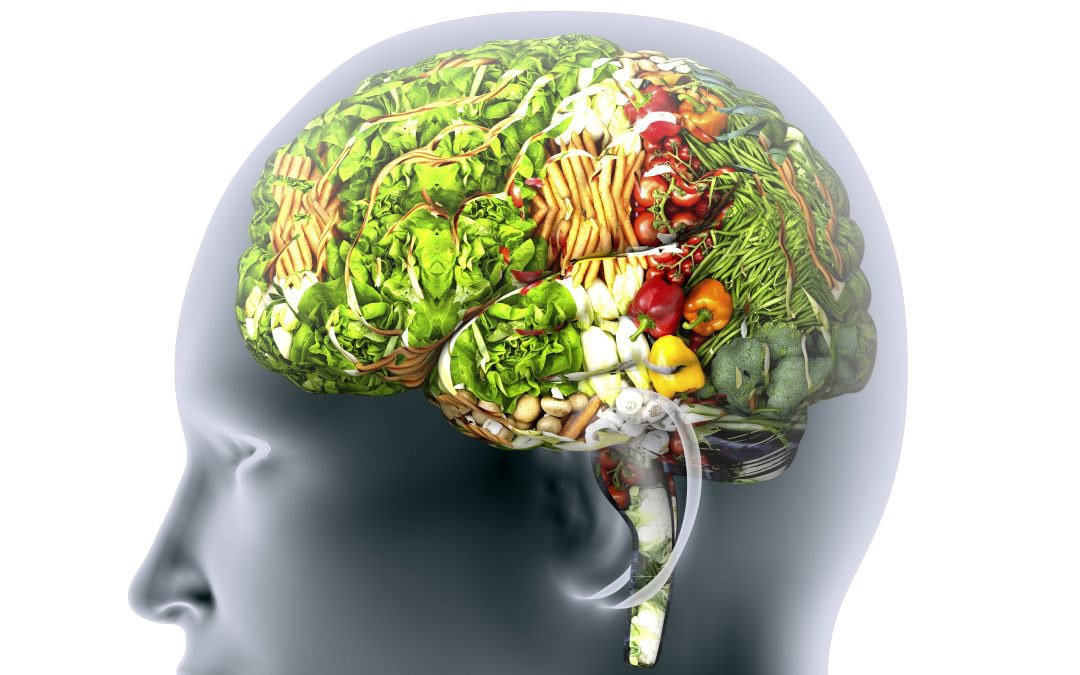
The Importance of a Balanced Diet
A balanced diet is crucial for maintaining overall health, but its impact on mental health is often underestimated. A diet rich in fruits, vegetables, whole grains, and lean proteins provides the essential nutrients that the brain needs to function properly. Nutrient deficiencies can lead to mood swings, anxiety, and even depression. Ensuring a well-rounded intake of vitamins and minerals helps in the production of neurotransmitters, which are vital for mood regulation. For instance, deficiencies in vitamin B12 and folate are linked to higher risks of depression and cognitive decline. Therefore, paying attention to what we eat can significantly influence our mental well-being.
The Role of Omega-3 Fatty Acids
Omega-3 fatty acids, found in fish, flaxseeds, and walnuts, play a significant role in brain health. These essential fats are critical for maintaining the structure and function of brain cells. Studies have shown that people with low levels of omega-3s are more likely to experience depression and anxiety. Omega-3s help in the production of serotonin, a neurotransmitter that regulates mood. Incorporating foods rich in omega-3s into your diet can help improve mental clarity, reduce inflammation, and promote overall mental health. Regular consumption of omega-3 fatty acids has been linked to lower risks of developing mood disorders and cognitive decline.
The Gut-Brain Axis
The gut-brain axis is a complex communication network linking the gut and the brain. The gut is often referred to as the "secondbrain" because it contains millions of neurons and produces many of the same neurotransmitters as the brain, including serotonin. A healthy gut microbiome, which consists of beneficial bacteria, plays a vital role in mental health. Probiotics and prebiotics can help maintain a healthy balance of gut bacteria, which in turn can reduce symptoms of anxiety and depression. Foods like yogurt, sauerkraut, and bananas are excellent for gut health and, consequently, mental health.
Sugar and Mental Health
While sugar can provide a quick energy boost, its effects on mental health are less favorable. High sugar intake is linked to an increased risk of depression and anxiety. Consuming too much sugar can lead to blood sugar spikes and crashes, which can result in mood swings and irritability. Additionally, high sugar diets can cause inflammation, which is associated with mental health disorders. Reducing sugar intake and opting for natural sweeteners like honey or fruit can help stabilize mood and improve mental clarity. It's essential to be mindful of hidden sugars in processed foods to maintain both physical and mental health.
The Impact of Processed Foods
Processed foods, often high in unhealthy fats, sugars, and additives, can negatively impact mental health. These foods can cause inflammation and oxidative stress, which are linked to mental health disorders like depression and anxiety. Diets high in processed foods lack essential nutrients that the brain needs to function optimally. Replacing processed foods with whole foods such as fruits, vegetables, and lean proteins can improve mood and cognitive function. Studies have shown that people who consume a diet rich in whole foods are less likely to experience mental health issues compared to those who consume a diet high in processed foods.
Hydration and Mental Clarity
Staying hydrated is essential for maintaining mental clarity and cognitive function. Dehydration can lead to confusion, irritability, and impaired cognitive abilities. Water is crucial for the brain's electrical energy, which helps in the transmission of signals between neurons. Even mild dehydration can affect mood and mental performance. It's important to drink enough water throughout the day to keep the brain functioning optimally. Herbal teas and water-rich foods like cucumbers and watermelon can also contribute to overall hydration and mental well-being.
The Benefits of Antioxidants
Antioxidants, found in colorful fruits and vegetables, play a crucial role in protecting the brain from oxidative stress. Oxidative stress can damage brain cells and is linked to mental health disorders like depression and anxiety. Antioxidants neutralize harmful free radicals, reducing inflammation and promoting brain health. Foods rich in antioxidants, such as berries, spinach, and nuts, can improve mood and cognitive function. Including a variety of antioxidant-rich foods in your diet can help protect the brain and support mental health.
Mindful Eating for Mental Health
Mindful eating involves paying full attention to the experience of eating and drinking. This practice can help improve the relationship with food and reduce emotional eating. Mindful eating encourages listening to hunger and fullness cues, which can prevent overeating and promote a healthier diet. It also involves savoring each bite, which can enhance the enjoyment of food and improve mental well-being. Practicing mindful eating can help reduce stress and anxiety related to food choices, leading to a more balanced and healthy diet that supports mental health.