The Art of Minimalist Interior Design
Explore how minimalist interior design uses simplicity and functionality to create serene and stylish living spaces.
Understanding Minimalism in Interior Design
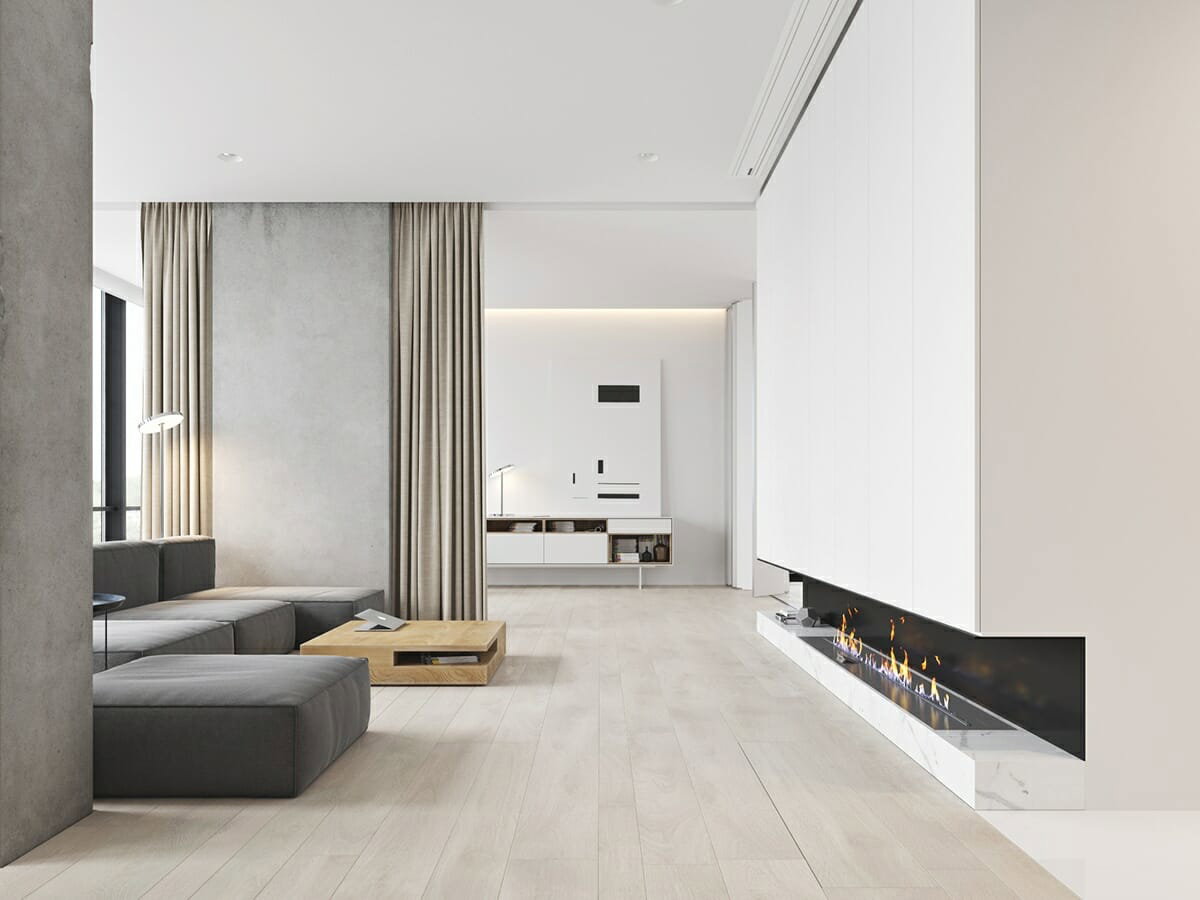
Minimalist interior design is a style that emphasizes simplicity and functionality. It focuses on creating spaces that are uncluttered and streamlined, often using a neutral color palette. This design philosophy is inspired by the idea that less is more, and it encourages homeowners to prioritize quality over quantity. The minimalist approach is not just about reducing physical items but also about creating a sense of calm and clarity. By removing unnecessary elements, you can create a space that feels open and inviting. Minimalism is not only aesthetically pleasing but also promotes a sustainable lifestyle by encouraging mindful consumption.
Key Elements of Minimalist Design
The core elements of minimalist interior design include simplicity, functionality, and a focus on essential pieces. Furniture is typically chosen for its clean lines and utility, often serving multiple purposes to maximize space. A minimalist room often features a neutral color scheme, with whites, grays, and earth tones dominating the palette. These colors help to create a serene atmosphere and allow natural light to play a more significant role in the space. Texture is used sparingly but effectively, with materials like wood, stone, and metal adding depth without overwhelming the senses. The goal is to create an environment that feels both spacious and cohesive.
The Role of Space and Light
In minimalist interior design, space and light are crucial components. A well-designed minimalist space will often feature open floor plans that allow for easy movement and a sense of freedom. The use of large windows and strategic lighting enhances the natural flow of light, making the space feel larger and more inviting. Mirrors can also be employed to reflect light and create an illusion of more space. The careful placement of furniture and decor ensures that each element serves a purpose, contributing to the overall harmony of the room. By focusing on space and light, minimalist design fosters a sense of tranquility and openness.
Incorporating Personal Touches
While minimalist design is often associated with a lack of personal items, it is important to incorporate elements that reflect your personality. This can be achieved by carefully selecting a few meaningful pieces that add character without cluttering the space. Artwork, for example, can be a powerful way to express individuality while adhering to minimalist principles. Choose pieces that resonate with you and complement the overall design. Additionally, consider using plants as a way to bring life and color into your home. The key is to strike a balance between personal expression and the minimalist aesthetic, ensuring that each item has a purpose and enhances the space.
Benefits of Minimalist Interior Design
Adopting a minimalist approach to interior design offers numerous benefits. One of the most significant advantages is the creation of a stress-free environment. A clutter-free space promotes relaxation and mental clarity, making it easier to unwind after a long day. Additionally, minimalist spaces are easier to clean and maintain, reducing the time and effort required for upkeep. This design style also encourages mindful consumption, as it emphasizes the importance of investing in quality over quantity. By focusing on essential items, you can create a home that is both beautiful and functional, supporting a more sustainable and fulfilling lifestyle.