Maximizing Space: Clever Furniture Arrangements
Discover innovative furniture arrangements to maximize your living space and enhance functionality without compromising on style.
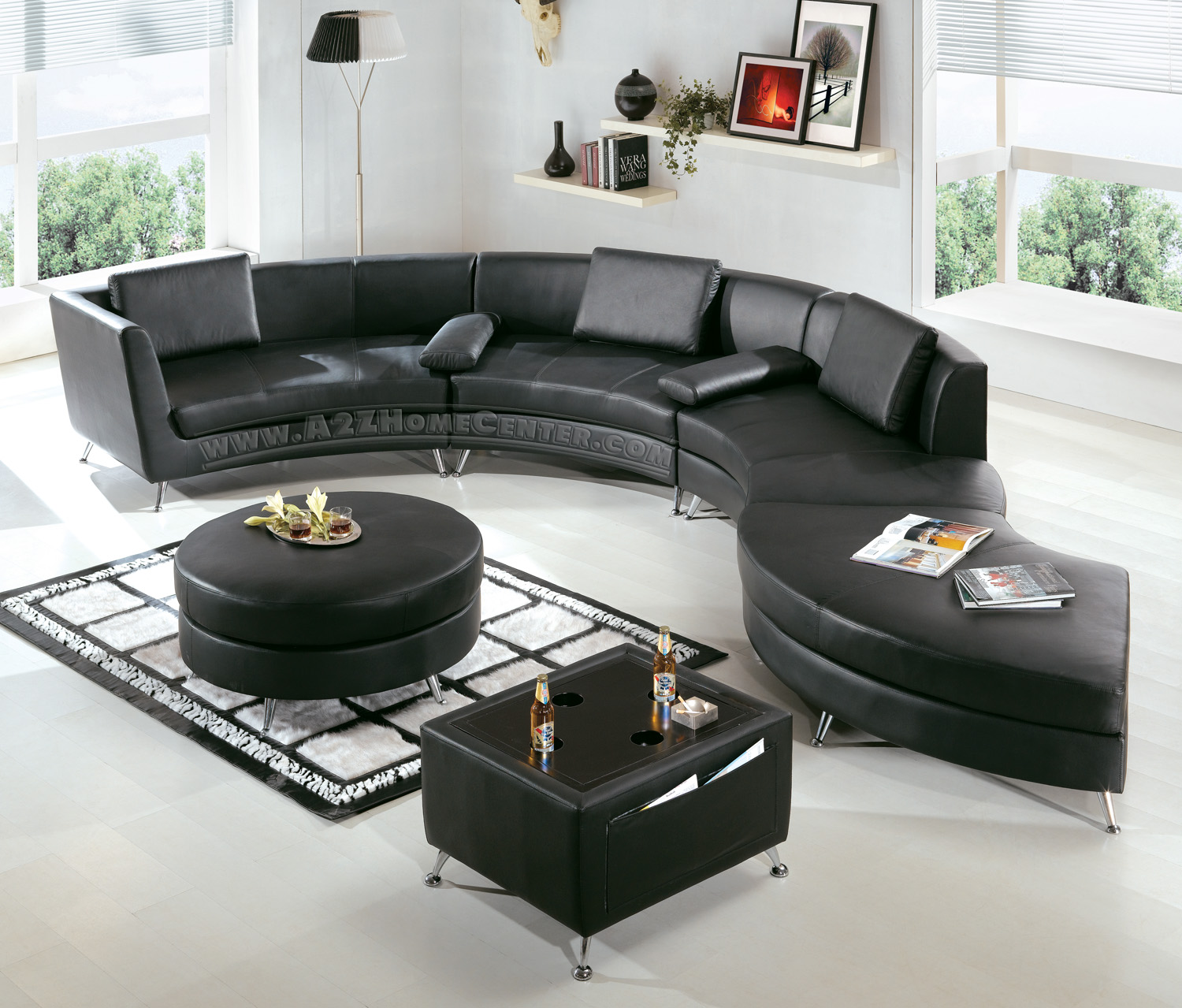
Understanding Your Space
Before diving into furniture arrangements, it's crucial to understand the dimensions and layout of your space. Measure your room's length, width, and height, noting any architectural features like windows, doors, and built-in units. This will help you visualize how furniture will fit and move within the area. Creating a scaled floor plan can be immensely helpful. Use graph paper or digital tools to sketch your room and experiment with different layouts. Remember to account for traffic flow and ensure there's enough space for movement. A clear understanding of your space sets the foundation for effective furniture arrangements.
Multi-Functional Furniture
One of the best ways to maximize space is by incorporating multi-functional furniture. Pieces like sofa beds, extendable dining tables, and storage ottomans serve multiple purposes, reducing the need for extra furniture. For instance, a sofa bed can transform a living room into a guest bedroom, while a storage ottoman can provide both seating and a place to stash blankets or magazines. Multi-functional furniture is especially beneficial in small apartments or homes with limited space, offering flexibility and functionality without compromising on style.
Vertical Solutions
When floor space is limited, look up! Vertical storage solutions can significantly increase your storage capacity without encroaching on valuable floor area. Shelving units, wall-mounted cabinets, and tall bookcases make use of vertical space, keeping items organized and easily accessible. Consider installing floating shelves to display decorative items or use pegboards in the kitchen to hang utensils. In bedrooms, high-mounted shelves can store out-of-season clothing or extra bedding. Utilizing vertical space helps declutter your home and creates a more open and airy environment.
Zone Creation
Creating distinct zones within a room can make it feel larger and more organized. Use furniture arrangements to define areas for different activities, such as lounging, dining, or working. For example, in a studio apartment, a sofa can act as a divider between the living and sleeping areas. Rugs, lighting, and furniture placement can also delineate zones. This approach not only maximizes space but also enhances functionality and comfort. By clearly defining each zone, you can create a cohesive and efficient living environment.
Floating Furniture
Floating furniture refers to pieces that are not placed against walls but rather float in the middle of the room. This arrangement can make a space feel larger and more open. For instance, positioning a sofa in the center of a living room with a console table behind it can create a welcoming and spacious feel. Similarly, floating desks or tables can provide workspaces without the need for bulky furniture. This technique encourages better traffic flow and can highlight architectural features or focal points in the room.
Mirrors and Light
Mirrors are a powerful tool in maximizing space. Strategically placed mirrors can reflect light and create the illusion of a larger room. Position mirrors opposite windows to bounce natural light around the room or use mirrored furniture to add depth. Additionally, proper lighting is essential in making a space feel bigger. Use a combination of ambient, task, and accent lighting to eliminate dark corners and brighten up the room. Layering different light sources can enhance the room's ambiance and make it feel more expansive.
Modular Furniture
Modular furniture offers flexibility and adaptability, making it perfect for maximizing space. Modular sofas, shelving units, and storage systems can be reconfigured to suit your changing needs. For example, a modular sofa can be rearranged to fit different room layouts or provide additional seating when needed. Modular shelving units can be expanded or reduced based on your storage requirements. This versatility allows you to make the most of your space and adapt to new circumstances without the need for new furniture.
Decluttering and Minimalism
Finally, embracing a minimalist approach can significantly enhance your space. Decluttering involves removing unnecessary items and focusing on essential pieces that serve a purpose. Start by evaluating your belongings and getting rid of anything that doesn't add value to your life. Opt for furniture with clean lines and simple designs to create a sense of openness. Minimalism doesn't mean sacrificing style; rather, it's about choosing quality over quantity. A decluttered and minimalist space feels more spacious, organized, and serene, allowing you to enjoy your home to the fullest.