Innovative Indoor Plant Ideas for Every Room
Transform your home with these innovative indoor plant ideas tailored for every room, adding greenery and style effortlessly.
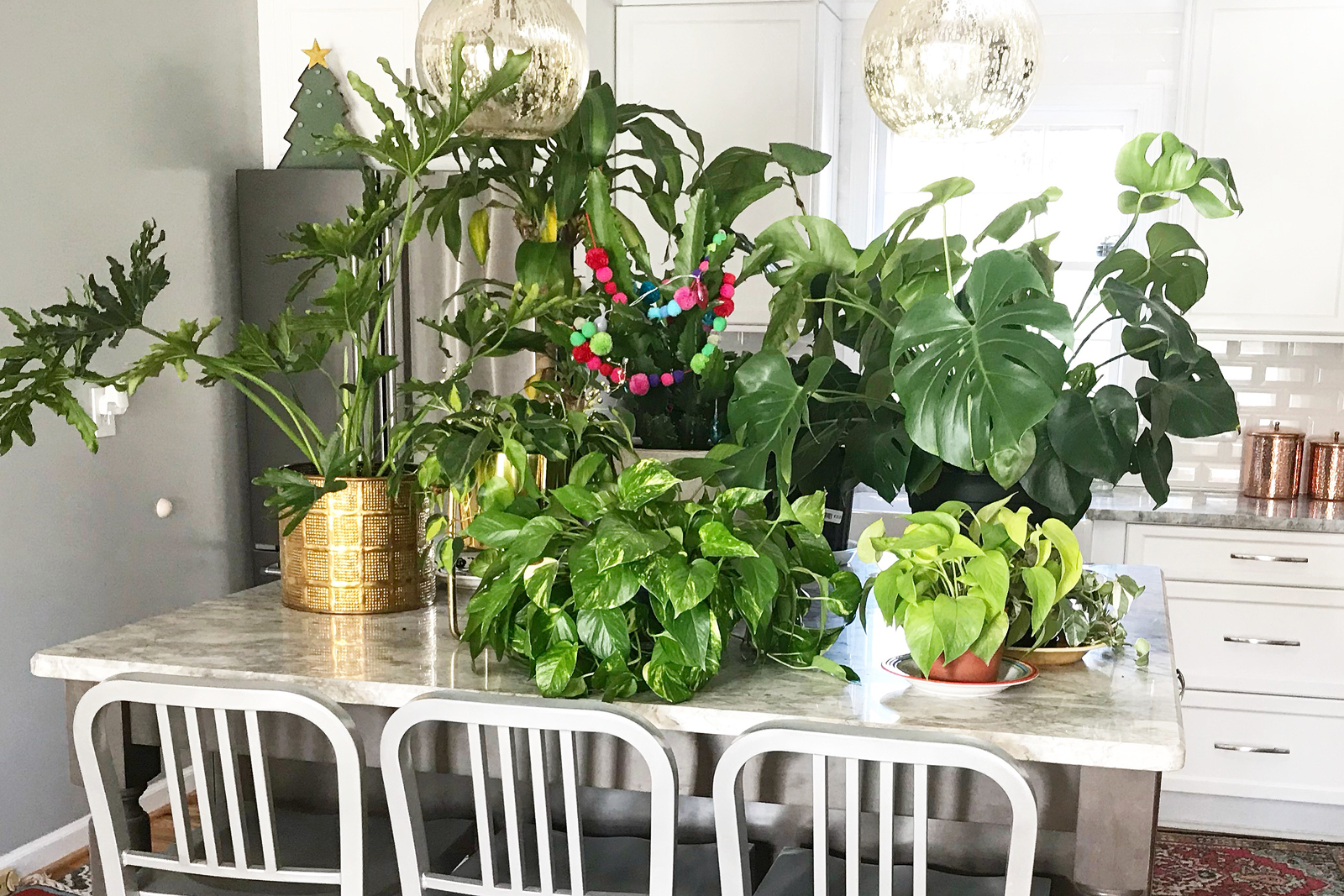
Transforming Your Living Room with Greenery
The living room is often the heart of a home, and incorporating indoor plants can bring life and vibrancy to this central space. Consider large statement plants like the fiddle leaf fig or monstera deliciosa to create a bold focal point. These plants not only add height and texture but also purify the air. For a minimalist approach, try a collection of smaller plants like succulents or cacti arranged on a coffee table or bookshelf. Hanging plants such as pothos or string of pearls can add dimension and fill vertical space. When selecting plants for the living room, consider the natural light available and choose varieties that thrive in those conditions. With the right selection, plants can complement your decor, creating a harmonious and inviting atmosphere.
Kitchen: A Fresh Take with Herbs
The kitchen is an ideal place to introduce indoor plants that are both decorative and functional. Consider growing an herb garden on a sunny windowsill with varieties like basil, mint, and rosemary. These herbs not only add a splash of green but also provide fresh ingredients for your culinary creations. For kitchens with limited natural light, consider low-light tolerant plants like snake plants or ZZ plants that require minimal care. Hanging planters can also be utilized to save counter space while adding a vertical element to your decor. Additionally, consider using small potted plants as centerpieces on your dining table or kitchen island to bring a touch of nature indoors. With a bit of creativity, your kitchen can become a thriving, green oasis.
Bedroom Serenity with Indoor Plants
In the bedroom, plants can contribute to a serene and calming environment conducive to rest and relaxation. Consider placing a peace lily or lavender plant near your bed for their reputed air-purifying and calming properties. The snake plant is another excellent choice due to its ability to convert carbon dioxide to oxygen at night, enhancing air quality while you sleep. For a modern touch, consider a vertical garden or a few hanging planters with trailing plants like English ivy. If you have limited space, opt for smaller potted plants on nightstands or dressers. Selecting plants that align with your bedroom's natural light conditions will ensure they thrive, enhancing your personal sanctuary with beauty and tranquility.
Bathroom Bliss with Moisture-Loving Plants
The bathroom presents a unique environment for indoor plants due to its high humidity and varying light conditions. Plants like ferns, bamboo, and spider plants thrive in such conditions, making them ideal choices for bathroom decor. These plants can be placed on windowsills, countertops, or in hanging baskets to make use of vertical space. Consider placing a small aloe vera plant on the sink or a bamboo plant in the shower area for a touch of spa-like tranquility. The added greenery not only enhances the aesthetic but can also improve air quality by absorbing excess moisture. By choosing the right plants, your bathroom can become a lush, rejuvenating retreat.
Dining Room Elegance with Centerpiece Plants
Elevate your dining room experience by incorporating elegant centerpiece plants that enhance both formal and casual dining settings. A bonsai tree or a potted orchid can serve as a sophisticated focal point on your dining table, adding a touch of nature's artistry. For larger dining rooms, consider a tall plant like a rubber tree or dracaena in the corner to add height and interest. If your dining area is well-lit, opt for sun-loving plants like jade plants or succulents. For a more eclectic look, create a collection of small pots with varying plant types and sizes. Plants in the dining room can create a warm and inviting atmosphere, making each meal a memorable occasion.
Office Space: Boosting Productivity with Greenery
Incorporating plants into your home office can boost productivity and creativity while reducing stress. Consider low-maintenance options like pothos, philodendrons, or snake plants, which can thrive with minimal care. A small potted plant on your desk or a larger plant in the corner can improve air quality and provide a refreshing visual break. If space allows, a vertical garden or a series of wall-mounted planters can maximize greenery without taking up valuable floor space. Consider plants with unique textures or colors to inspire creativity and maintain a stimulating work environment. By integrating plants into your office, you create a more inviting and energizing workspace.
Hallway and Entryway: First Impressions with Plants
The hallway or entryway is the first impression guests have of your home, and incorporating plants can make this area more welcoming and vibrant. Choose plants that can withstand varying light conditions, such as ZZ plants or asparagus ferns. These hardy plants can thrive in low-light areas, making them ideal for hallways without windows. For entryways with more light, consider a bird of paradise or a rubber plant for a bold statement. Hanging plants or wall-mounted planters can add interest without cluttering the space. By carefully selecting and arranging plants, you can transform these transitional spaces into lush, inviting areas that set the tone for the rest of your home.
Children's Rooms: Fun and Educational Green Spaces
Introducing plants into children's rooms not only adds color and life but also provides educational opportunities. Choose easy-to-care-for plants like spider plants, succulents, or venus flytraps that can capture a child's interest. These plants can teach responsibility and an appreciation for nature as children learn to care for them. Consider creating a small indoor garden with your child, allowing them to choose and plant their selections. Hanging planters or wall gardens can also be fun and space-saving options. Ensure the plants are non-toxic and placed safely out of reach for younger children. By incorporating plants into children's rooms, you foster an engaging and nurturing environment that promotes curiosity and learning.