How to Build a Standout Resume: Tips and Tricks
Learn essential tips and tricks to craft a standout resume that captures attention and highlights your strengths effectively.
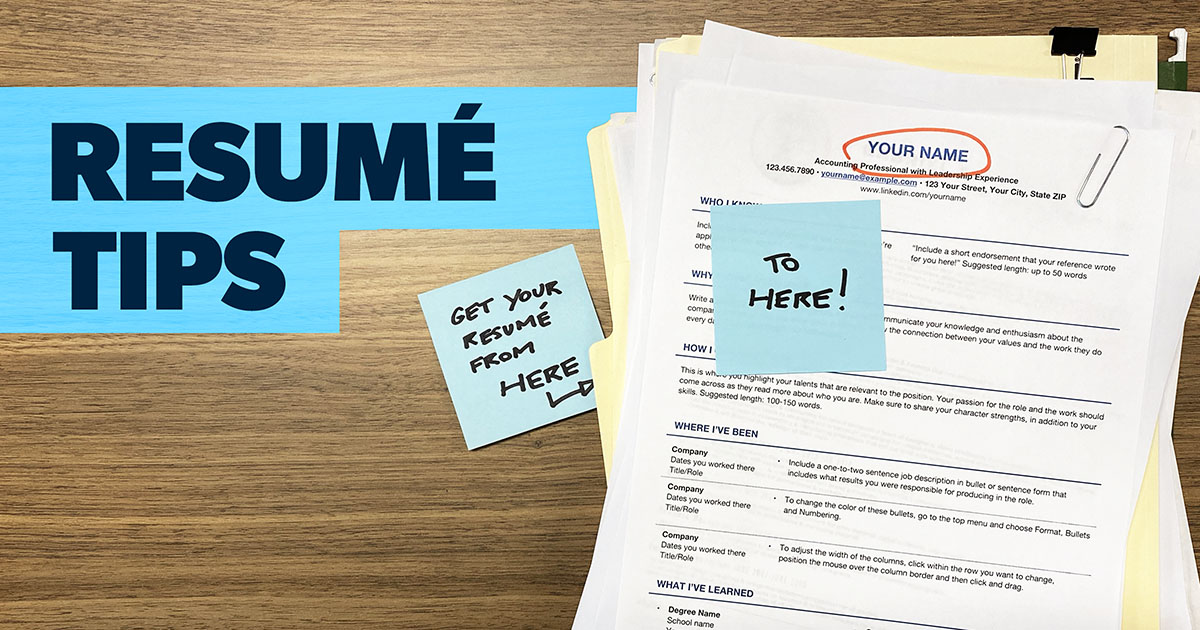
Understanding the Purpose of Your Resume
A resume is more than just a list of jobs and education; it's a marketing tool that highlights your skills and experiences to potential employers. Understanding its purpose is crucial to crafting a document that stands out. A resume should succinctly present your qualifications and convince hiring managers that you are the ideal candidate. It's essential to tailor your resume to each job application, focusing on relevant experiences and skills. This customization demonstrates your genuine interest in the position and helps you stand out in a competitive job market. Remember, your resume is often the first impression you make, so it's vital to ensure it reflects your professionalism and capabilities.
Structuring Your Resume for Clarity
An effective resume is well-structured, making it easy for employers to quickly find the information they need. Start with a clear header that includes your name and contact information. Follow with a compelling summary or objective that captures your career goals and what you bring to the table. Organize your work experience in reverse chronological order, highlighting key achievements and responsibilities. Use bullet points for readability, and ensure each point begins with a strong action verb. Education should also be included, especially if it is relevant to the position. Finally, consider adding sections for skills, certifications, or volunteer experiences that further demonstrate your qualifications.
Highlighting Your Achievements
While listing job duties is common, highlighting specific achievements can make your resume stand out. Employers are interested in what you've accomplished in previous roles, not just what you were responsible for. Use quantifiable results to demonstrate your impact, such as "increasedsalesby20%" or "ledateamoffivetocompleteaprojectaheadofschedule." These details provide concrete evidence of your abilities and help employers envision the value you could bring to their organization. Remember, achievements can include awards, recognitions, or successful projects, and they should be tailored to align with the job you are applying for.
Tailoring Your Resume to the Job
A one-size-fits-all resume rarely makes an impact. Tailoring your resume to each specific job application is crucial for capturing the attention of hiring managers. Start by reviewing the job description and identifying the key skills and experiences the employer is seeking. Incorporate these keywords naturally into your resume, particularly in your work experience and skills sections. This not only helps your resume pass through applicant tracking systems but also shows the employer that you have the qualifications they are looking for. Customization requires extra effort, but it significantly increases your chances of securing an interview.
Crafting a Compelling Summary or Objective
The summary or objective section of your resume is a powerful tool to immediately capture the attention of hiring managers. A well-crafted summary should provide a snapshot of your professional background, highlighting your most relevant skills and experiences. If you're early in your career, consider using an objective to clearly state your career goals and how they align with the employer's needs. Use this section to emphasize what makes you unique, focusing on your strengths and what you aim to achieve in your next role. Keep it concise, ideally no longer than three to four sentences, to maintain the reader's interest.
The Importance of Keywords
In today's digital age, many companies use applicant tracking systems (ATS) to screen resumes. This makes the use of relevant keywords crucial for ensuring your resume reaches human eyes. Keywords are often derived from the job description and can include specific skills, job titles, or industry terms. Incorporating these strategically throughout your resume can improve its chances of being flagged as a match for the position. However, avoid keyword stuffing; instead, integrate them naturally into your descriptions of experiences and skills. This approach not only helps you pass through the ATS but also makes your resume more appealing to hiring managers.
Proofreading and Final Touches
Before submitting your resume, it's essential to meticulously proofread it to eliminate any errors. Spelling mistakes, grammatical errors, and formatting inconsistencies can detract from your professionalism. Consider reading your resume aloud or asking a trusted friend or mentor to review it for you. Pay attention to details like font consistency, alignment, and spacing to ensure a polished appearance. Additionally, save your resume as a PDF to preserve its formatting when viewed on different devices. These final touches can make a significant difference in how your resume is perceived, helping you make a strong impression on potential employers.