How to Attract Birds to Your Garden
Transform your garden into a bird sanctuary with simple tips on food, water, shelter, and native plants.
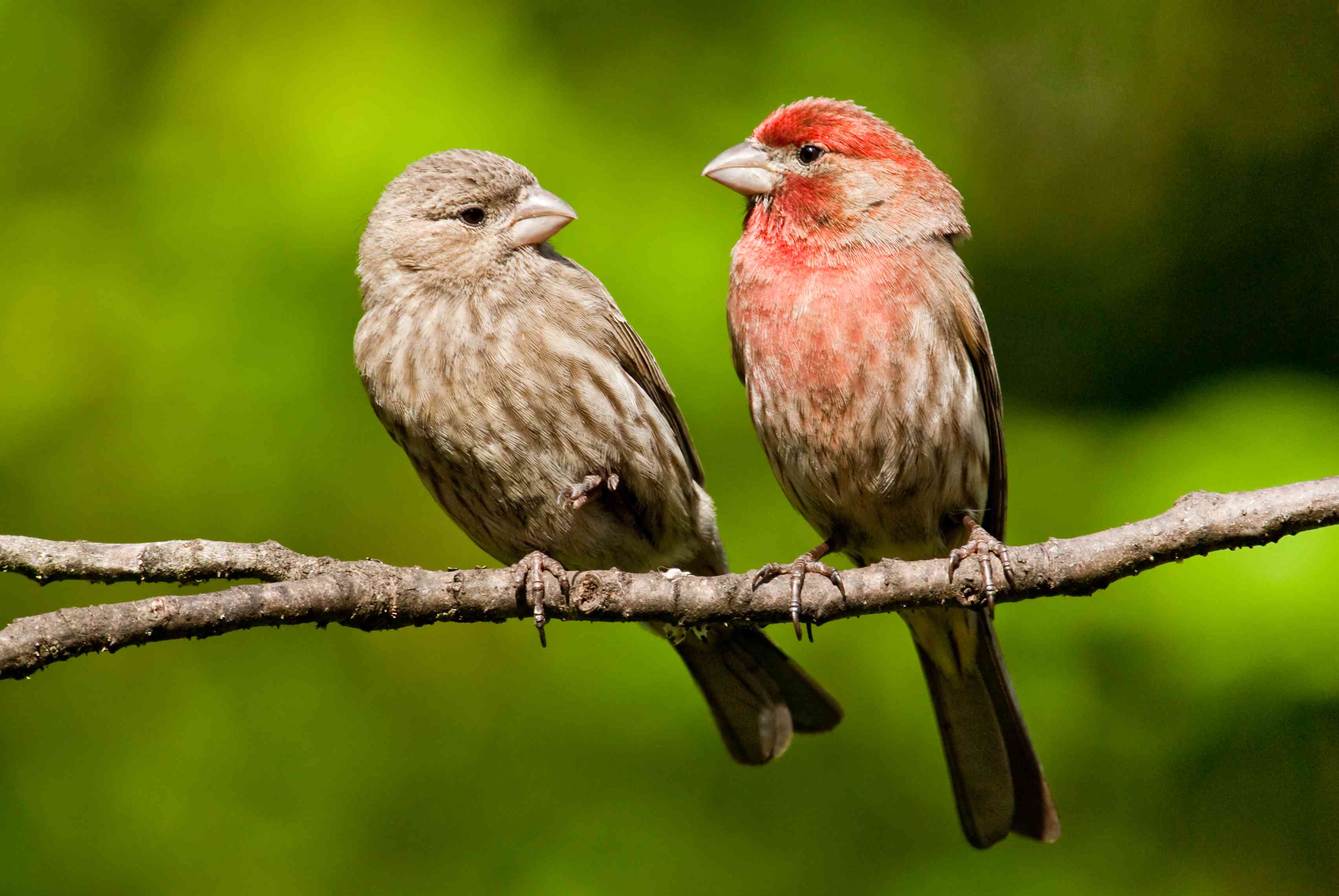
Understanding Bird Needs
To attract birds to your garden, it's crucial to understand their basic needs. Birds are drawn to environments where they can find food, water, shelter, and nesting sites. Begin by observing the types of birds that are native to your area, as different species have varying preferences. Consider creating a diverse landscape that mimics natural habitats. This can include a mix of trees, shrubs, and flowers. Native plants are particularly effective because they offer familiar food sources and shelter. Additionally, it's essential to maintain a clean and safe environment. Avoid using pesticides, as they can harm birds and reduce the insect population, which is a vital food source for many species. By catering to these needs, you'll create an inviting habitat that encourages birds to visit and stay.
Providing Food Sources
Feeding birds is one of the most straightforward ways to attract them to your garden. Different species have different dietary preferences, so offering a variety of food can attract a diverse range of birds. Consider using feeders that can accommodate seeds, suet, and nectar. Black-oil sunflower seeds are a favorite among many bird species due to their high fat content. Additionally, consider planting fruit-bearing plants like berry bushes and trees, which provide natural food sources. It's important to keep feeders clean to prevent the spread of disease. Regularly check and refill them, especially during the winter months when natural food sources are scarce. By providing a consistent and reliable food source, your garden becomes a go-to spot for birds seeking nourishment.
Ensuring Water Availability
Water is essential for birds, not just for drinking but also for bathing, which helps them maintain their feathers. Installing a birdbath or a small water feature can make your garden more attractive to birds. Ensure the water is fresh and clean, changing it regularly to prevent stagnation and algae growth. The sound of running water can be particularly enticing, so consider adding a fountain or a dripper. In colder climates, heated birdbaths can prevent water from freezing, ensuring a year-round water supply. Place the water feature in a visible yet safe location, away from potential predators. By providing a reliable water source, you enhance the appeal of your garden to a wide range of bird species.
Creating Safe Shelter
Birds need safe shelter to feel secure in your garden. This includes protection from predators and harsh weather conditions. Incorporate a variety of plant types and structures to offer different forms of shelter. Dense shrubs and trees provide excellent cover and nesting opportunities. Additionally, leaving a section of your garden wild with natural debris like logs and brush piles can create additional hiding spots. Consider installing birdhouses that cater to specific species, ensuring they are placed at the appropriate height and location. Avoid pruning during nesting seasons to prevent disturbance. By offering a safe haven, you create a sanctuary that encourages birds to settle and thrive.
Encouraging Nesting
To truly make your garden a bird-friendly haven, encourage nesting by providing suitable sites and materials. Different birds have different nesting preferences, so diversity is key. Offer a range of nesting boxes, ensuring they are designed for the specific species you wish to attract. Place them at varying heights and orientations to cater to different needs. You can also supply natural nesting materials such as twigs, grass, and feathers. Avoid using synthetic materials that can harm birds. Additionally, maintain a quiet and undisturbed environment during the breeding season to encourage successful nesting. By facilitating nesting, you invite birds to make your garden their home.
Maintaining a Bird-Friendly Environment
Creating a bird-friendly garden is an ongoing process that requires regular maintenance and attention. Keep your garden tidy, but allow some areas to remain natural to provide food and shelter. Regularly clean feeders and water sources to prevent disease. Monitor the garden for any signs of predators or hazards, such as domestic pets or toxic plants. Consider using bird-friendly gardening practices like companion planting to naturally manage pests. Be patient, as it may take time for birds to discover and trust your garden as a safe haven. By consistently maintaining a welcoming environment, you'll enjoy the beauty and benefits of having a vibrant bird population in your garden.