Exploring the Connection Between Sleep and Health
Discover how quality sleep influences physical and mental health, boosting well-being and longevity.
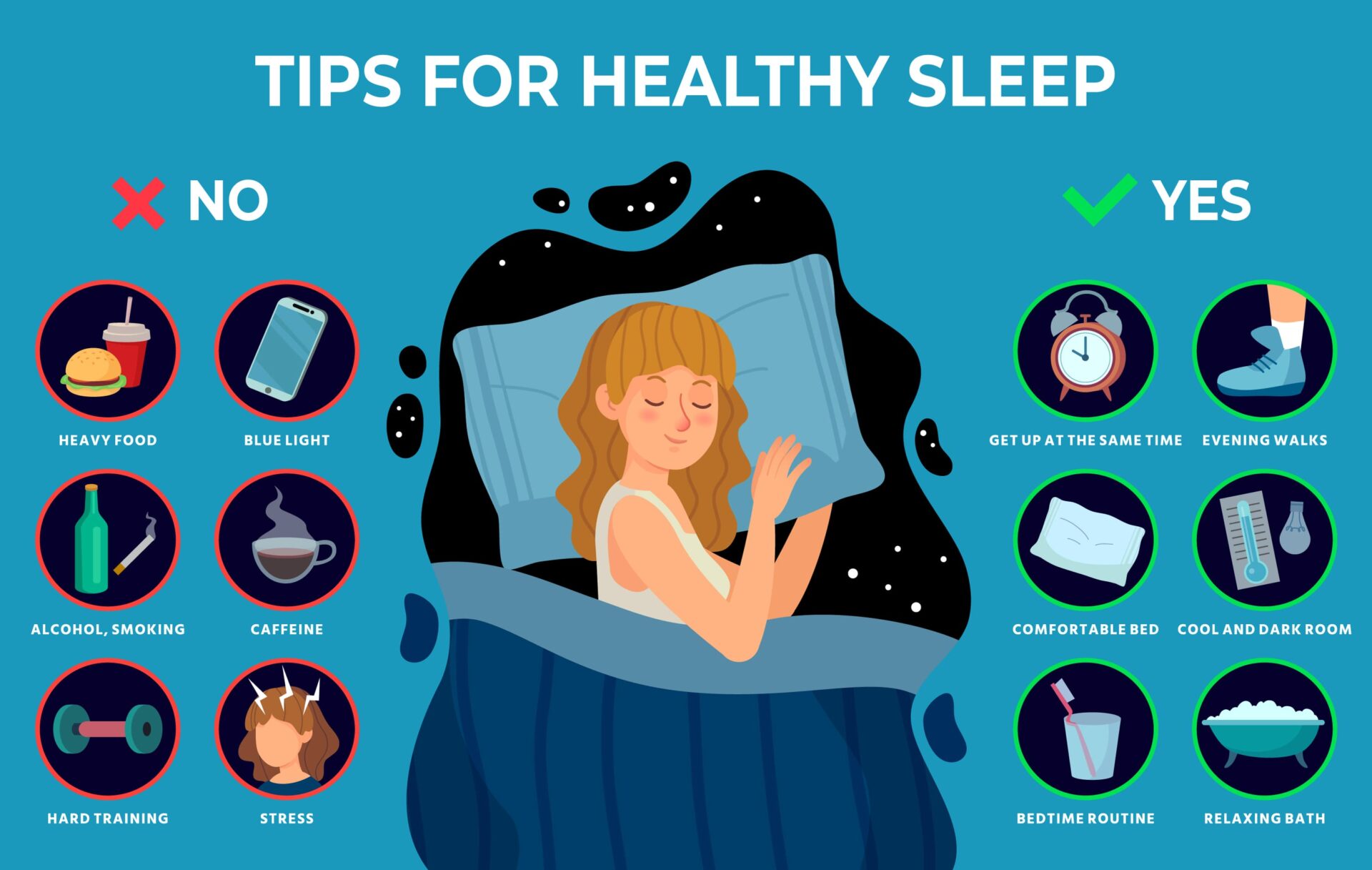
The Importance of Sleep
Sleep is an essential component of overall health and well-being. It plays a critical role in maintaining cognitive function, emotional stability, and physical health. During sleep, the body undergoes various processes that help restore energy, repair tissues, and regulate hormones. A consistent sleep schedule can enhance memory consolidation, improve mood, and boost immune function. Conversely, inadequate sleep can lead to a host of health issues, including increased stress levels, impaired judgment, and a higher risk of chronic conditions such as obesity and diabetes. Understanding the importance of sleep can help individuals prioritize rest and develop healthier sleep habits.
Sleep and Mental Health
The connection between sleep and mental health is profound. Quality sleep is vital for maintaining emotional balance and cognitive clarity. Sleep deprivation can exacerbate symptoms of anxiety and depression, leading to a vicious cycle of poor mental health and disturbed sleep patterns. During sleep, the brain processes emotions and memories, which is crucial for mental resilience. People with mental health disorders often experience sleep disturbances, highlighting the intertwined nature of sleep and mental wellness. Promoting good sleep hygiene, such as maintaining a regular bedtime routine and creating a restful environment, can significantly improve mental health outcomes.
Physical Health Benefits
Adequate sleep is crucial for physical health. During sleep, the body repairs tissues, builds muscle, and strengthens the immune system. This restorative process is essential for maintaining energy levels and physical performance. Lack of sleep has been linked to an increased risk of cardiovascular diseases, weight gain, and metabolic disorders. Sleep also regulates hormones that control hunger, which can impact weight management. By ensuring sufficient sleep, individuals can support their physical health, enhance athletic performance, and reduce the risk of developing chronic illnesses.
Sleep and Cognitive Function
Sleep plays a vital role in cognitive function. During different sleep stages, the brain processes information, consolidates memories, and clears out toxins that accumulate during waking hours. This process is essential for learning, problem-solving, and decision-making. Sleep deprivation can impair attention, concentration, and reaction times, affecting daily activities and productivity. Ensuring adequate sleep can enhance cognitive abilities, improve focus, and support lifelong learning. Strategies such as reducing screen time before bed and creating a comfortable sleep environment can promote better sleep quality and cognitive health.
Sleep Disorders and Health Implications
Sleep disorders, such as insomnia and sleep apnea, can have significant health implications. These conditions disrupt normal sleep patterns, leading to daytime fatigue, irritability, and reduced quality of life. Chronic sleep disorders are associated with an increased risk of cardiovascular problems, metabolic issues, and decreased immune function. Early diagnosis and treatment of sleep disorders are crucial for mitigating these health risks. Lifestyle changes, such as stress management and regular physical activity, along with medical interventions, can help manage sleep disorders and improve overall health.
Tips for Better Sleep
Improving sleep quality involves adopting healthy sleep habits. Establishing a consistent sleep schedule by going to bed and waking up at the same time daily can regulate the body's internal clock. Creating a sleep-conducive environment by keeping the bedroom dark, quiet, and cool can enhance sleep quality. Limiting caffeine and electronic device use before bed can also promote better sleep. Incorporating relaxation techniques, such as meditation or deep breathing exercises, can help ease the transition to sleep. By prioritizing sleep and making these adjustments, individuals can improve their sleep quality and, consequently, their overall health.