Creating a Zen Garden for Relaxation
Discover how to design a tranquil Zen garden to enhance relaxation and mindfulness in your outdoor space.
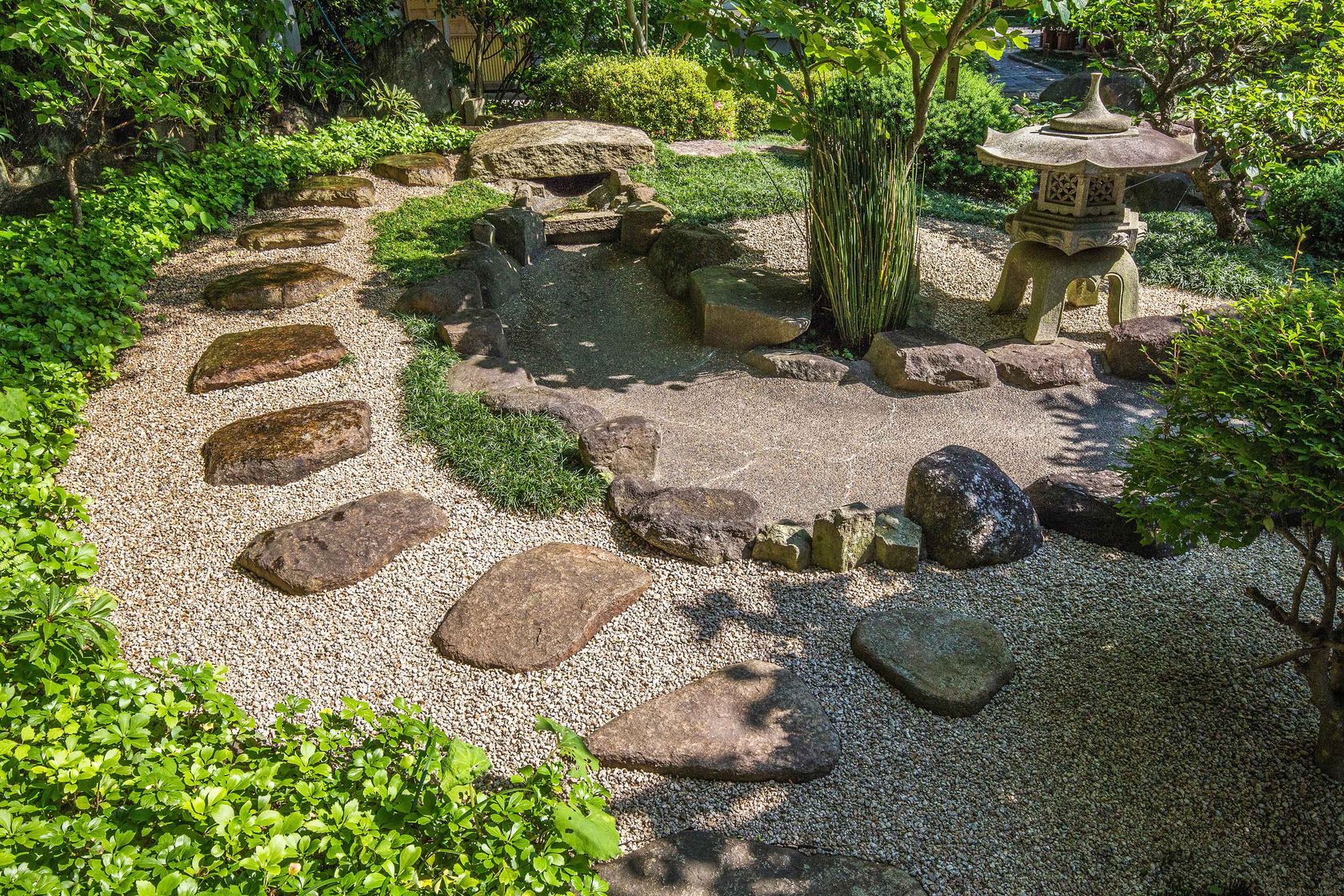
Understanding the Concept of a Zen Garden
Creating a Zen garden is about more than just landscaping; it's about crafting a space for meditation and relaxation. Originating from Japan, Zen gardens, also known as Karesansui, are traditionally designed to evoke the essence of nature using minimalist elements. These gardens are characterized by their use of rocks, gravel, and sand to mimic the flow of water and the permanence of mountains. The simplicity of a Zen garden encourages mindfulness and contemplation, providing a sanctuary from the chaos of everyday life. By focusing on essential elements and their arrangement, you cultivate a space that promotes peace and introspection. Understanding the philosophical underpinnings of Zen gardens can enhance your appreciation and the effectiveness of your design.
Choosing the Right Location
The location of your Zen garden is crucial to its success as a relaxation space. Ideally, it should be in a quiet area where you can easily disconnect from the hustle and bustle of daily life. Consider spaces that offer a sense of privacy and seclusion, whether it's a corner of your backyard or a rooftop terrace. Natural light plays an important role, so choose a spot that receives a balanced amount of sunlight and shade throughout the day. The surrounding environment should complement the garden's serenity; therefore, minimize any potential distractions like noise or unsightly views. A well-chosen location will not only enhance the aesthetic appeal but also amplify the garden's calming effects.
Essential Elements and Materials
A traditional Zen garden incorporates several key elements that represent natural landscapes. Gravel or sand is often used to symbolize water, with patterns raked into the surface to create the illusion of ripples or waves. Rocks and stones are strategically placed to represent mountains or islands, offering a sense of stability and permanence. These elements are often complemented by minimalist plantings such as moss, which add texture without overwhelming the simplicity of the design. When selecting materials, choose those that blend harmoniously with your environment. Natural tones and textures are preferred, as they align with the Zen philosophy of balance and harmony with nature.
Designing Your Zen Garden Layout
Designing a Zen garden involves thoughtful consideration of space, proportion, and symbolism. Begin by sketching a layout that incorporates the essential elements in a way that feels balanced and harmonious. Consider the flow of movement within the garden; paths can be created using stepping stones or gravel to guide visitors through the space. The placement of rocks and plants should feel organic yet intentional, creating focal points that draw the eye and encourage reflection. Balance is key, so avoid overcrowding the space with too many elements. Each component should have room to breathe, allowing visitors to appreciate its form and meaning.
Maintenance and Care
Maintaining a Zen garden requires regular attention to preserve its tranquil appearance. The raking of gravel or sand is both a meditative practice and a maintenance task, allowing you to refresh patterns and remove debris. Weeding and pruning should be done regularly to ensure that plants remain neat and do not disrupt the garden's minimalist aesthetic. Rocks may need occasional cleaning to remove moss or dirt, preserving their natural beauty. While maintenance may seem demanding, it offers an opportunity to engage with the garden mindfully, reinforcing the connection between the gardener and the space.
Enhancing the Experience
To enhance the experience of your Zen garden, consider incorporating additional elements that appeal to the senses. The sound of water can be soothing, so a small fountain or water feature may be a welcome addition. Wind chimes or a bamboo flute can add gentle auditory elements that complement the garden's tranquility. Lighting can also play a role, with soft, ambient lights creating a serene atmosphere during the evening hours. Seating areas, such as a simple bench or a flat stone, provide a place for meditation or quiet reflection. Each enhancement should be carefully considered to maintain the garden's peaceful ambiance.
Embracing the Zen Philosophy
A Zen garden is not just a physical space but an embodiment of Zen philosophy. It encourages mindfulness, simplicity, and a deep connection with nature. Embrace the process of creating and maintaining your garden as a form of meditation, focusing on the present moment and the act of creation itself. Allow the garden to be a reflection of your inner state, evolving as you do. By engaging with your Zen garden regularly, you cultivate not only a beautiful space but also a peaceful mind. This practice of mindfulness and appreciation can extend beyond the garden, influencing your approach to life and enhancing your overall well-being.