Building a Professional Portfolio
Learn how to create a professional portfolio that showcases your skills, experience, and achievements to potential employers and clients.
The Importance of a Professional Portfolio
Building a professional portfolio is a crucial step for anyone looking to advance their career, whether you're an artist, a writer, a designer, or in any other profession. A well-organized portfolio showcases your skills, accomplishments, and the quality of your work. It serves as a visual and tangible representation of your abilities, making it easier for potential employers or clients to understand what you bring to the table. Moreover, a professional portfolio can set you apart in a competitive job market, demonstrating your commitment and attention to detail. It's not just about what you have done, but how you present it.
Choosing the Right Content
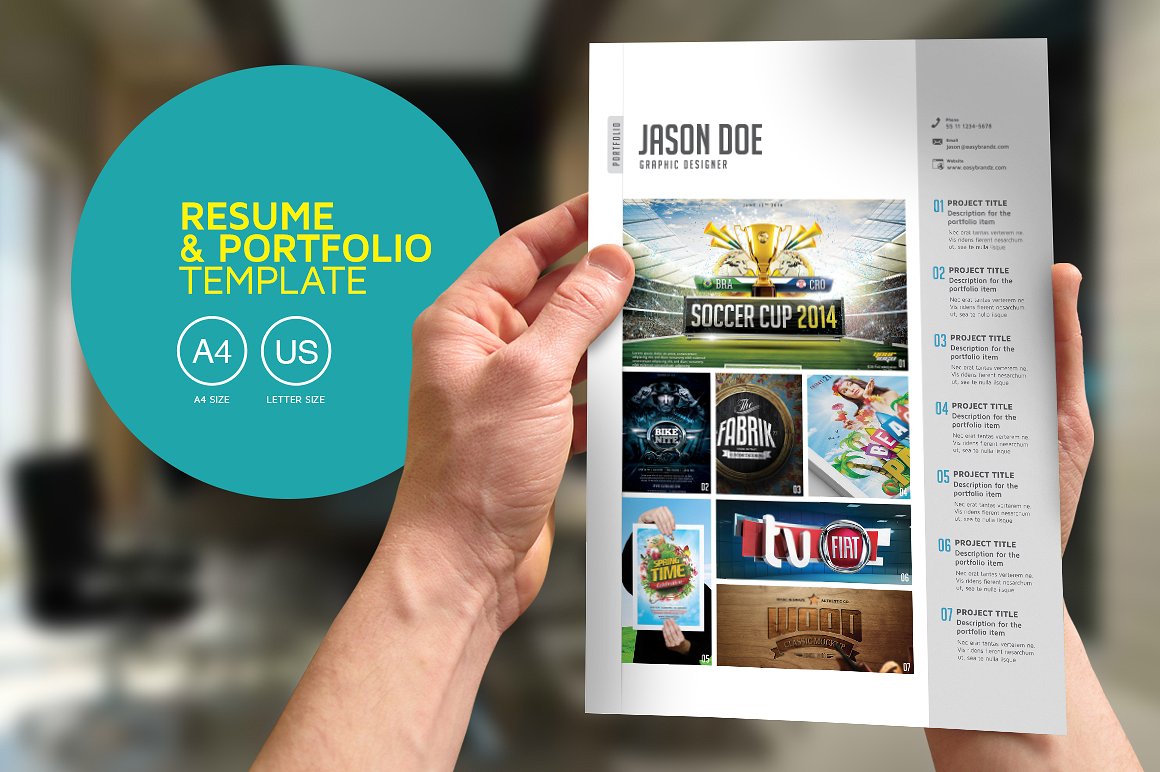
Selecting the right content for your portfolio is essential. Focus on quality over quantity; it's better to have a few outstanding pieces than a large collection of mediocre ones. Highlight projects that showcase a range of skills and experiences. For example, if you're a graphic designer, include a variety of designs such as logos, brochures, and web layouts. Each piece should be accompanied by a brief description that explains your role in the project, the skills you used, and the outcome. This contextual information can help viewers understand the scope and impact of your work.
Organizing Your Portfolio
The organization of your portfolio is just as important as the content itself. Start with a strong introduction that gives an overview of who you are and what you do. Follow this with a logical flow of your work, perhaps in chronological order or grouped by type of project. Make sure to include clear headings and subheadings to guide the viewer through your portfolio. High-quality images and concise descriptions are key. An easy-to-navigate structure ensures that potential employers or clients can quickly find what they are looking for without getting overwhelmed or lost.
Digital vs. Physical Portfolios
In today's digital age, having an online portfolio is almost a necessity. Websites and social media platforms offer excellent opportunities to showcase your work to a global audience. However, don't underestimate the power of a physical portfolio, especially for in-person interviews or meetings. A tangible portfolio can leave a lasting impression and can be a great conversation starter. Both formats have their pros and cons, so consider your industry and audience when deciding which to use. Often, a combination of both digital and physical portfolios works best.
Regular Updates and Revisions
A professional portfolio is not a one-time project; it should be a living document that evolves with your career. Regularly update your portfolio to include recent work and remove outdated pieces that no longer reflect your current skills or style. Revisions are also crucial; as you gain more experience, you might find better ways to present your work. Seek feedback from peers, mentors, or industry professionals to continually improve your portfolio. Keeping your portfolio current and relevant ensures that you are always prepared to impress potential employers or clients.