Backpacking Tips for the Modern Nomad
Discover essential backpacking tips for the modern nomad, from packing light to navigating digital tools, ensuring a seamless adventure.
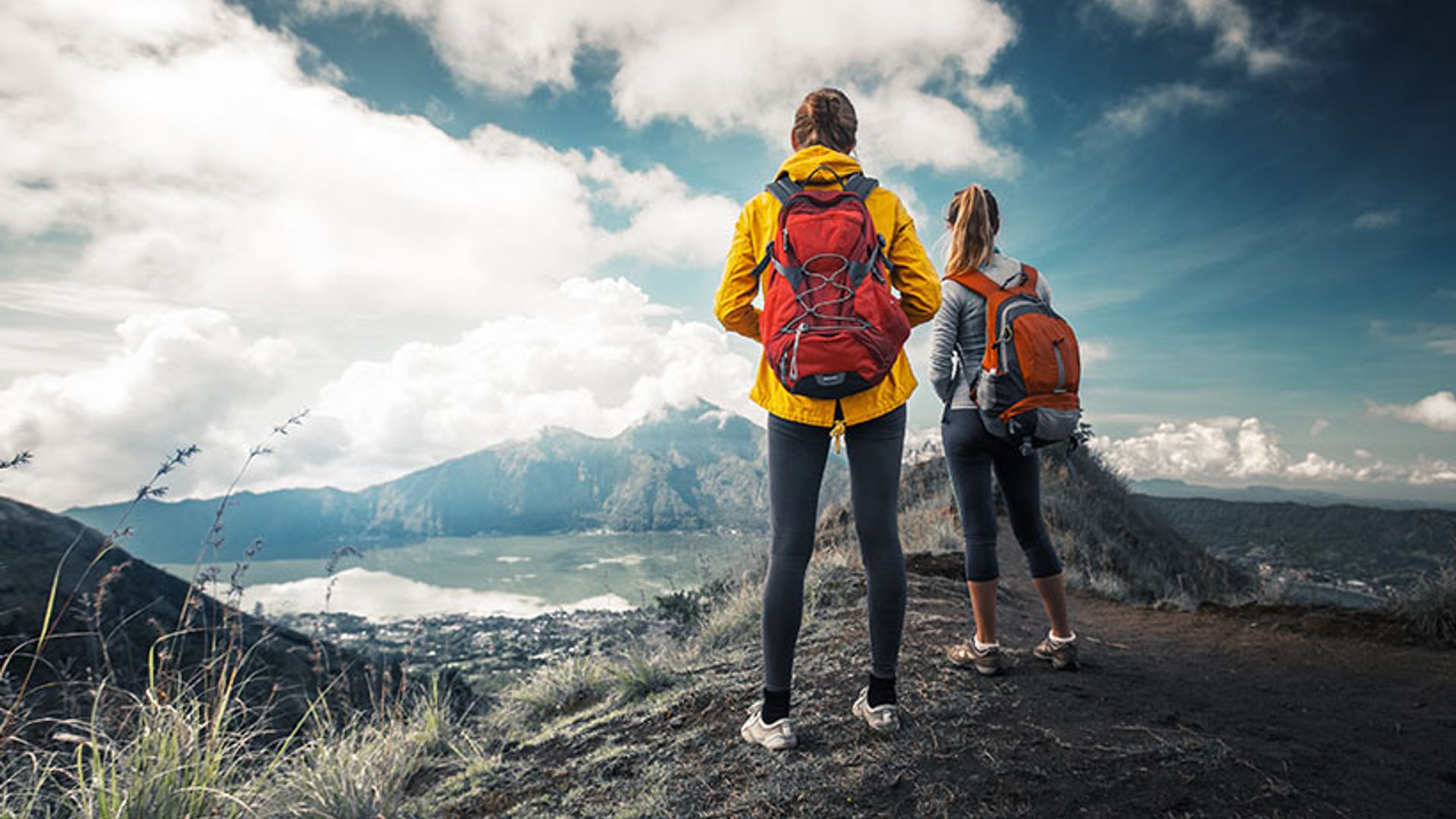
Embrace Minimalism
One of the most crucial tips for the modern nomad is to embrace minimalism. Packing light not only makes your journey more comfortable but also allows you to move freely without the burden of heavy luggage. Focus on carrying versatile clothing that can be layered and mixed to suit different climates and occasions. Invest in quality travel gear that is durable and multi-functional. Remember, the goal is to carry only what you need and nothing more. This approach not only simplifies your travels but also reduces the risk of losing valuable items. Minimalism in backpacking isn't just about physical baggage; it also means keeping your itinerary flexible and open to spontaneous adventures.
Choose the Right Gear
Selecting the right gear is essential for any backpacking trip. Start with a reliable backpack that offers good support and enough compartments to keep your belongings organized. Your backpack should be comfortable to wear for extended periods and should distribute weight evenly to avoid strain. Other essential gear includes a lightweight tent, a sleeping bag suitable for various weather conditions, and a portable stove for cooking meals. Don't forget a first-aid kit, a multi-tool, and a reliable water filter. Investing in high-quality gear may seem costly upfront, but it pays off in the long run by ensuring your safety and comfort.
Plan Your Route Wisely
While spontaneity is part of the charm of backpacking, having a well-thought-out route can save you from potential pitfalls. Research your destinations thoroughly, considering factors such as weather conditions, political stability, and local customs. Use travel forums and guides to gather information from fellow travelers. Create a flexible itinerary that allows for changes but includes essential stops and experiences you don't want to miss. Always have a backup plan in case things don't go as expected. Knowing the basic layout of your route helps in making informed decisions and staying safe during your travels.
Stay Connected and Safe
In today's digital age, staying connected while on the road is easier than ever. Carry a smartphone with reliable internet access to help with navigation, communication, and emergency situations. Download useful travel apps for language translation, currency conversion, and local transportation. Keep copies of important documents, such as your passport and insurance, both digitally and physically. Share your travel plans with family or friends so someone always knows your whereabouts. Being connected not only enhances your travel experience but also provides a safety net in case of emergencies.
Budget Wisely
Effective budgeting is key to sustaining long-term travel. Start by creating a realistic budget that covers all potential expenses, including accommodation, food, transportation, and activities. Look for ways to save money, such as staying in hostels, cooking your own meals, and using public transport. Track your spending regularly to avoid overspending. Consider working or volunteering abroad to extend your travel funds. Many countries offer short-term job opportunities for travelers, such as teaching English or working in hostels. A well-planned budget ensures you can enjoy your travels without financial stress.
Respect Local Cultures
As a modern nomad, it's important to respect the cultures and traditions of the places you visit. Take time to learn about local customs, dress codes, and etiquette before you arrive. Engage with locals respectfully and show appreciation for their way of life. Learning a few basic phrases in the local language can go a long way in building rapport and showing respect. Avoid behaviors that could be considered disrespectful or intrusive. By being a considerate traveler, you contribute to positive cultural exchange and leave a good impression wherever you go.
Practice Sustainable Travel
Sustainability is a growing concern in the travel industry. As a backpacker, you can make a positive impact by practicing sustainable travel. Reduce your environmental footprint by minimizing waste, using reusable items, and avoiding single-use plastics. Support eco-friendly accommodations and local businesses that prioritize sustainability. Be mindful of your energy and water usage, and always follow the principles of Leave No Trace. By making conscious choices, you help preserve the natural beauty and cultural heritage of the destinations you visit for future generations.