A Beginner's Guide to Smart Home Automation
Explore the essentials of smart home automation, from choosing devices to integrating systems for a seamless, connected living experience.
What is Smart Home Automation?
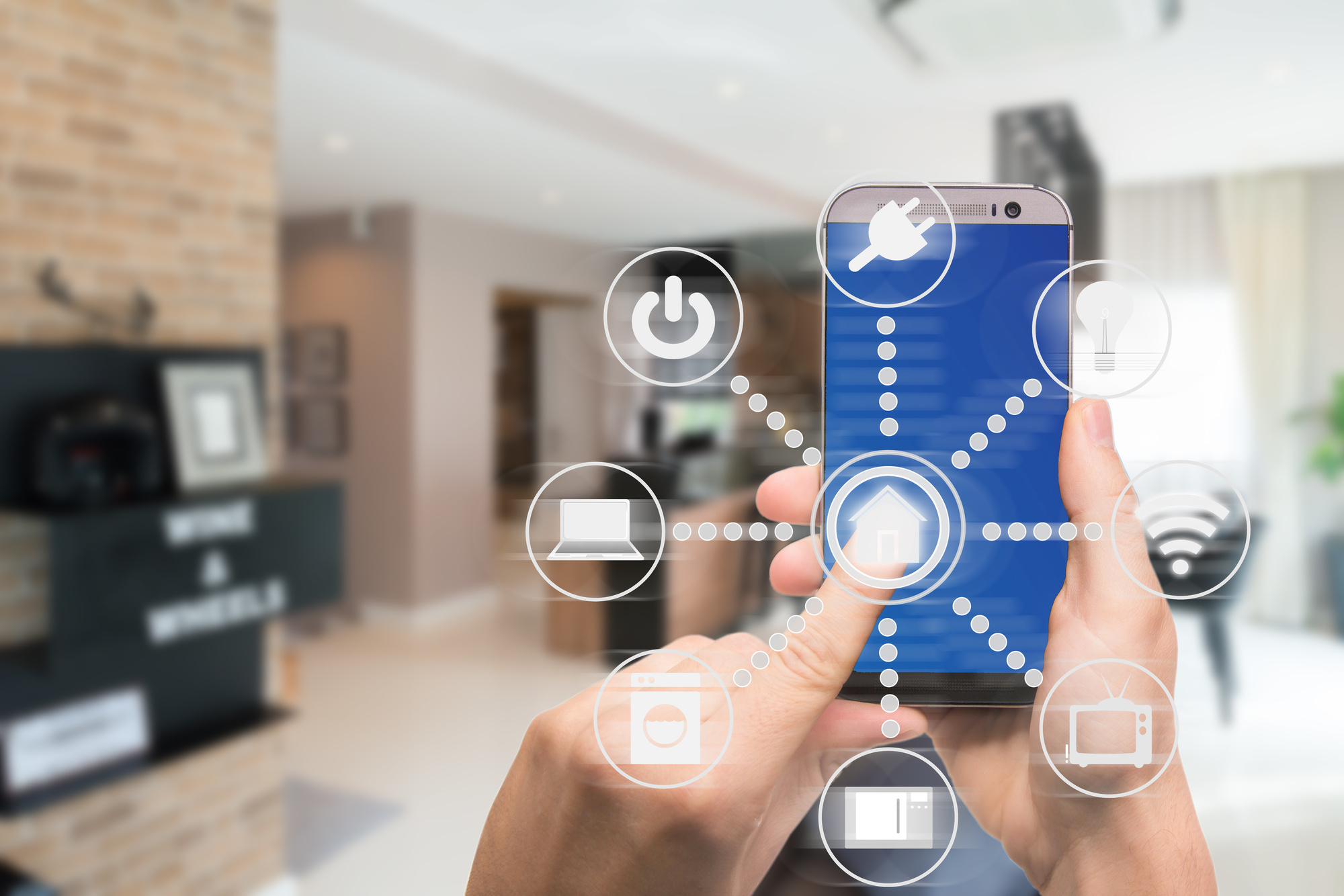
Smart home automation refers to the integration of technology within your living space to make everyday tasks more convenient and efficient. By using devices like smart thermostats, lighting systems, and security cameras, you can control various aspects of your home remotely via a smartphone or other internet-connected devices. The main goal of smart home automation is to enhance the quality of life by providing increased convenience, security, and energy efficiency. This technology can adapt to your lifestyle, learning your preferences over time and automating tasks such as adjusting the temperature or turning off lights when you leave a room.
Key Components of a Smart Home
A smart home typically consists of several key components that work together to create a seamless experience. These include smart hubs, which act as the central control unit, and various smart devices like lights, locks, cameras, and sensors. Smart hubs, such as Amazon Echo or Google Home, use voice commands and can integrate with other smart devices to create a unified system. Smart lighting systems allow you to control the brightness and color of your lights remotely, while smart thermostats can learn your schedule and adjust the temperature accordingly. Security is also a significant aspect, with smart locks and cameras providing real-time monitoring and alerts.
Benefits of Smart Home Automation
One of the primary benefits of smart home automation is enhanced convenience. Imagine waking up to a house that has already adjusted the temperature to your liking, brewed your coffee, and turned on the lights. Another significant advantage is energy efficiency. Smart thermostats and lighting systems can reduce energy consumption by learning your habits and making adjustments automatically. Home security is also greatly improved, as smart cameras and locks provide real-time alerts and remote access. Additionally, smart home devices can be beneficial for individuals with disabilities or the elderly, offering voice-activated controls and automation that can make daily tasks easier.
Getting Started with Smart Home Automation
Starting with smart home automation can seem daunting, but it's easier than you might think. Begin by identifying the areas where you want to add automation, such as lighting, security, or climate control. Start small with a few key devices and gradually expand your system as you become more comfortable. Many smart devices are designed to be user-friendly, with straightforward installation processes and intuitive mobile apps for control. Research and planning are crucial; make sure the devices you choose are compatible with each other and can be integrated into a single system. Reading reviews and seeking recommendations can also help you make informed decisions.
Future of Smart Home Automation
The future of smart home automation looks incredibly promising, with continuous advancements in technology making systems more intelligent and user-friendly. Artificial intelligence (AI) and machine learning are expected to play a significant role, enabling devices to better understand and predict user behavior. Voice control and integration with other smart devices will become more seamless, offering a more cohesive and intuitive experience. Moreover, the Internet of Things (IoT) will continue to expand, bringing more devices and appliances into the smart home ecosystem. As technology evolves, smart home automation will likely become more accessible and affordable, making it an integral part of modern living.